Commercial epoxy flooring gives Miami businesses a seamless, durable, sanitary, slip-resistant floor that handles forklift traffic, daily washdowns, and health-code scrutiny — but it has to be specified for our high water table and salt air, not pulled off a generic national spec.
If you run a warehouse, a restaurant, an auto shop, a clinic, or a retail space in Miami-Dade, your floor is working harder than almost any other surface in the building. It takes the pallet jacks, the grease, the foot traffic, the cleaning chemicals, and the inspections. A poured-on resin coating turns bare concrete into a single seamless surface that resists all of it. This guide walks through why Miami businesses choose epoxy, which system fits which industry, how our local climate changes the spec, what actually drives the cost, and how a good installer keeps your doors open while the work gets done.
At Ascent Epoxy Miami, every commercial floor starts with an on-site walkthrough and slab moisture testing, not a phone estimate. Want a number for your space? Call (305) 889-7045 and we will come look at the slab. First, here is what you are buying.
Why Miami Businesses Choose Epoxy
Commercial epoxy is not a cosmetic upgrade. It is an operational decision, and the reasons businesses keep choosing it come down to how the floor performs day after day.
- Durability under real load. A properly specified epoxy or urethane-cement floor takes forklift and pallet-jack traffic, dropped tools, and rolling racks without cracking or gouging the way bare or painted concrete does.
- Seamless and sanitary. There are no grout lines, tile joints, or seams for grease, bacteria, and standing water to hide in. A coved base where the floor meets the wall removes the last dirt trap, which is exactly what a health inspector looks for.
- Real slip resistance. An anti-slip aggregate or quartz broadcast worked into the topcoat keeps traction even when the floor is wet or greasy, which protects both your staff and your liability exposure.
- Chemical resistance. The right system shrugs off oils, solvents, food acids, cleaning chemicals, and battery acid that would etch and stain raw concrete.
- Fast, low-cost cleanup. A seamless floor is mopped or hosed clean in a fraction of the time, with no porous concrete soaking up spills and odors.
- Brandable looks. Color, flake blends, line striping, and logos can be built into the floor, so a showroom or retail space looks finished instead of industrial.
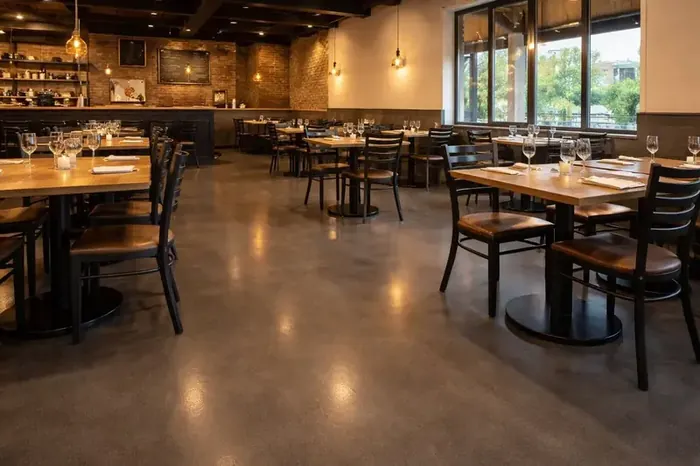
Commercial Epoxy by Industry
There is no single "commercial floor." The right system depends on what happens on top of it all day. Here is how the most common Miami commercial spaces break down.
Warehouses & Distribution
Distribution centers and warehouses across Doral and the Miami-Dade industrial corridor live on forklift and pallet-jack traffic. A flake or solid epoxy system with a high-build, abrasion-resistant topcoat handles that load, and forklift-safe line striping for aisles, staging, and pedestrian walkways can be coated right into the floor. A light-reflective topcoat also brightens a windowless warehouse and cuts lighting costs.
Restaurants & Commercial Kitchens
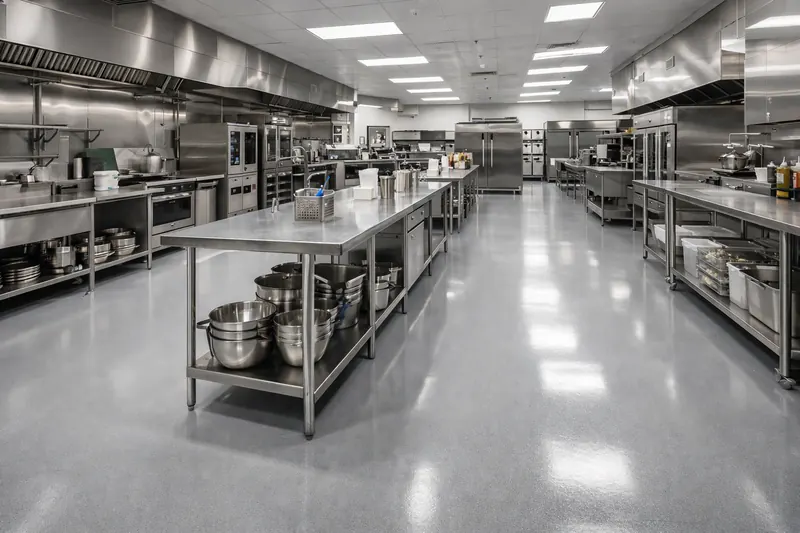
Miami's restaurant and food-service scene runs hot, wet, and inspected. Commercial kitchens need a seamless, slip-resistant, sanitary floor that survives hot oil, boiling water, food acids, and constant washdowns. Urethane cement and quartz broadcast systems are built for exactly this, and a coved integral base where the floor meets the wall removes the seam that traps grease and helps you pass a Miami-Dade health inspection.
Retail & Hospitality
For storefronts, showrooms, breweries, and hospitality spaces in Coral Gables, Aventura, and Brickell-adjacent neighborhoods, the floor is part of the brand. A decorative flake or metallic finish gives a polished, high-end look that still stands up to heavy public foot traffic and easy cleaning. The same seamless surface that photographs well also wipes clean fast at close.
Auto Shops & Dealerships
Repair bays, service centers, and dealership showrooms in Hialeah and Kendall need a floor that resists oil, brake fluid, hydraulic fluid, and the weight of vehicles and lifts. A chemical-resistant solid or flake system cleans up spills fast and keeps a showroom floor looking sharp under the lights, while the service bays get a tougher, more abrasion-resistant spec.
Medical & Clinical / Labs
Clinics, surgical suites, dental offices, and labs need a floor that is non-porous, easy to disinfect, and chemically resistant. A seamless quartz or smooth high-performance system with a coved base eliminates the joints where pathogens collect and stands up to repeated cleaning. For sensitive electronics and lab equipment, an ESD or anti-static floor adds the static control those environments require.
Commercial Systems Compared
Five system families cover the vast majority of commercial work in Miami. Each one trades cost against performance, so the right choice is the cheapest system that meets the demands of the room — no more, no less.
| System | Best For | Key Strength | Relative Cost |
|---|---|---|---|
| Solid Epoxy | Warehouses, storage, back-of-house | Tough, seamless, budget-friendly base coat | $ |
| Flake / Broadcast | Retail, showrooms, light commercial | Hides wear, adds grip, brandable looks | $$ |
| Quartz | Kitchens, clinics, locker rooms, labs | Maximum durability and slip resistance | $$$ |
| Urethane Cement | Commercial kitchens, food processing, freezers | Thermal-shock and washdown resistance | $$$ |
| ESD / Anti-Static | Electronics, labs, server & clean rooms | Controls static discharge | $$$$ |
If you are weighing the heavier-duty end of this list against a polished-concrete or full industrial spec, our industrial epoxy flooring page covers the high-build and chemical-containment systems in more detail.
The Miami Factor: Moisture Mitigation & Salt Air
This is where a commercial floor in Miami diverges from one in a dry inland market, and it is the part a cheap bid quietly skips. Two local conditions change the spec, and ignoring either one is how a floor that looked perfect on day one starts peeling within a year.
High Water Table & Moisture Mitigation
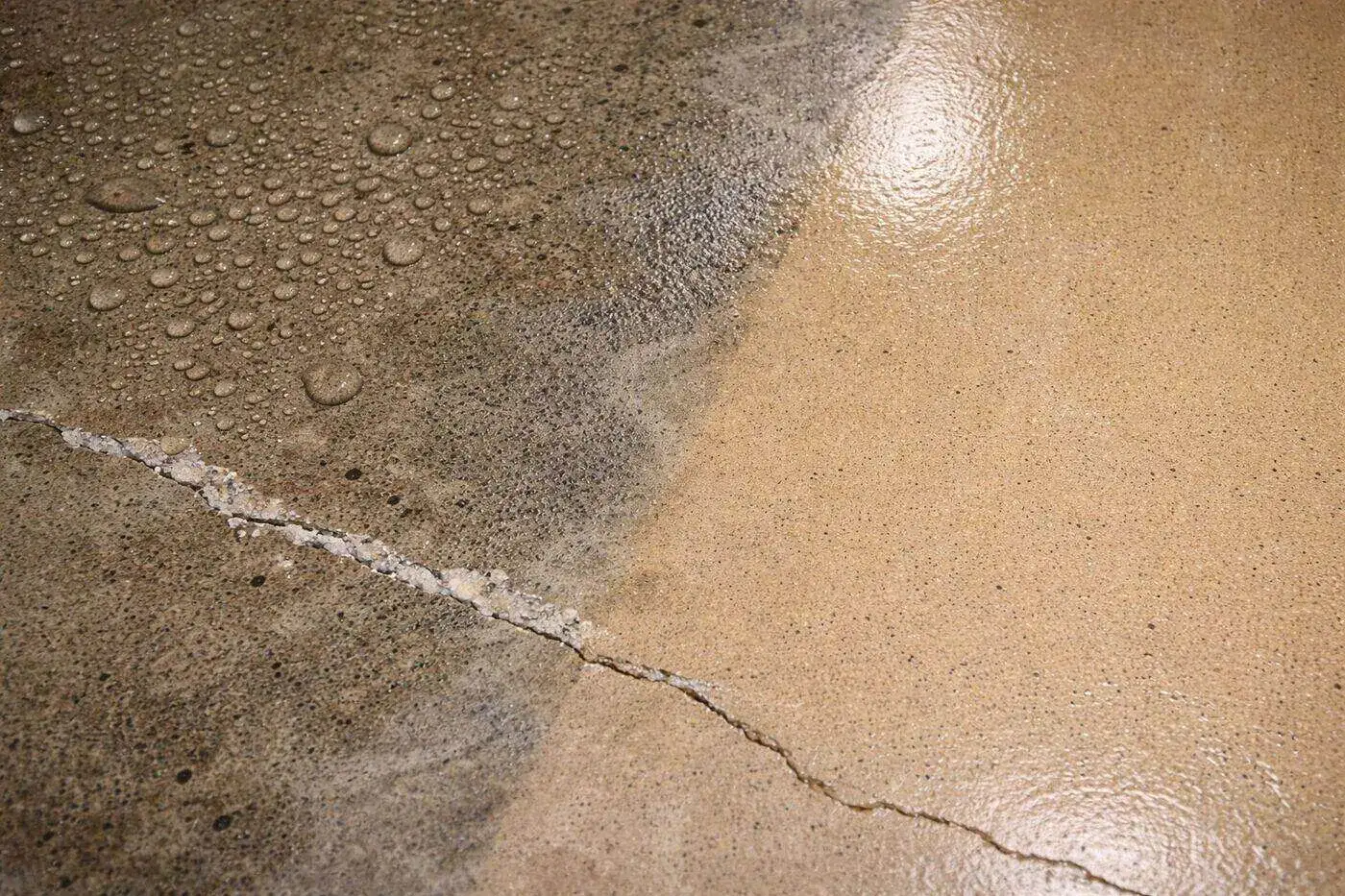
Miami-Dade sits on a high water table, and large ground-level commercial slabs — warehouse floors, kitchens, ground-floor retail — push moisture vapor up through the concrete. That vapor pressure breaks a coating from underneath, no matter how well the surface was prepped. On a commercial slab this is not optional: the floor must be moisture-tested before any coating goes down, and when the reading is above the safe threshold, a moisture-mitigation primer becomes mandatory. The larger the floor, the more expensive an unmitigated failure is, which is exactly why we test first and quote second. If you want the full mechanism, read our guide on why epoxy floors fail in Miami and the moisture test that prevents it.
Salt Air & Coastal Exposure
Commercial properties near the water — waterfront restaurants, open-bay warehouses, marina and port-adjacent facilities — face salt-air exposure that attacks coatings at edges, doorways, and open bays. For these spaces the spec moves toward thicker, more chemically resistant systems and UV-stable polyaspartic or polyurethane topcoats that resist ambering and edge breakdown. If your facility is coastal or has open bays facing the weather, expect that to show up in the recommendation rather than being treated as an afterthought.
Planning a Commercial Floor in Miami-Dade?
Tell us your industry, your square footage, and your operating hours. We will spec the right system, moisture-test the slab, and give you a real number — free.
What Commercial Epoxy Costs & What Drives It
Commercial epoxy is quoted after a walkthrough, not off a price list, and there is a good reason for that. A 2,000-square-foot showroom with a sound slab and a 20,000-square-foot warehouse with cracking and a moisture problem are completely different jobs, even at the same per-square-foot headline. A flake or solid commercial coating tends to sit in the same per-square-foot territory as residential work, while quartz, urethane cement, and ESD systems run higher because they are thicker and specified by the job. For the residential side and the factors that set a Miami price, see our Miami epoxy flooring cost guide. The number that matters for your building comes from these drivers:
- Square footage. Larger floors lower the per-square-foot rate through economies of scale, but raise the total and the schedule.
- System specification. A solid base coat, a decorative flake floor, and a heavy-duty urethane-cement kitchen floor are different price tiers entirely.
- Slab condition. Cracks, spalling, old coatings, and oil contamination all add prep time before anything goes down.
- Moisture mitigation. If the moisture test reads high, the mitigation primer is a real line item — and a non-negotiable one on a Miami commercial slab.
- Downtime windows. Night, weekend, and phased installs to keep you operating cost more in labor than a straight shutdown, and that trade-off belongs in the quote so you can decide.
The honest framing: the cheapest commercial bid in Miami almost always wins by deleting the moisture test, the grinding, or the topcoat — the exact three things that make a commercial floor last. A real quote spells out the full scope so you are comparing the same work, not just the same number.
Minimizing Downtime
For most commercial clients, the real cost of a new floor is not the install — it is the hours the space cannot earn while the work happens. A good commercial installer plans around that, not against it.
- Phased installation. We coat the floor in zones, so one section cures while you keep operating in another. A warehouse can keep shipping from half the building; a kitchen can run a partial line.
- Fast-cure topcoats. Polyaspartic and polyurea topcoats cure far faster than standard epoxy. Some areas take foot traffic within hours and vehicle traffic within a day, instead of sitting idle for most of a week.
- Night and weekend scheduling. The disruptive steps — grinding, coating, cure time — can run after hours or over a weekend so you reopen with the floor already done.
The right schedule depends on your operation, which is another reason commercial work starts with a walkthrough. We build the install plan around your hours, not the other way around.
Frequently Asked Questions
How much does commercial epoxy flooring cost in Miami?
Commercial epoxy flooring in Miami is quoted after a walkthrough, because the system, the slab condition, and the downtime window all move the number. As a rough planning guide, a flake or solid commercial coating tends to run in the same per-square-foot territory as residential work, while heavy-duty quartz, urethane cement, and ESD systems sit higher because they are thicker, more material-intensive, and specified by the job. The most reliable number comes from an on-site evaluation that includes slab moisture testing.
Which epoxy system is best for a commercial kitchen?
For a commercial kitchen in Miami, urethane cement or a quartz broadcast system is usually the right call. Both are seamless, sanitary, and slip-resistant, and urethane cement in particular tolerates the thermal shock of hot oil, boiling water, and frequent washdowns far better than standard epoxy. A coved, integral base where the floor meets the wall removes the dirt-trapping seam and helps you pass a health inspection.
Is epoxy flooring slip-resistant enough for a restaurant?
Yes, when it is specified correctly. A smooth gloss coat is not appropriate for a kitchen or a wet area, but a broadcast system with quartz or an anti-slip aggregate worked into the topcoat delivers real grip even when the floor is wet or greasy. We match the texture to the room so the dining area stays easy to clean while the kitchen and dish areas get the traction your staff need.
How long does a commercial epoxy floor installation take?
Most commercial epoxy installations take two to five days depending on square footage, slab condition, and the system. Standard epoxy needs cure time between coats and before return to service, which is where fast-cure polyaspartic and polyurea topcoats help, since some areas can take foot traffic within hours and vehicle traffic within a day. We build the schedule around your operating hours and can phase larger floors so part of the space stays open.
Can you install commercial epoxy without closing my business?
Often, yes. We phase the work so we coat one zone while you keep operating in another, and we schedule the disruptive steps for nights and weekends when that fits your business. Fast-cure polyaspartic and polyurea topcoats shorten the return-to-service window, so a closed area can frequently reopen the next day instead of sitting idle for a week.
Does a commercial Miami slab need moisture testing?
Yes. Miami-Dade sits on a high water table, and commercial slabs — especially large ground-level warehouse and kitchen floors — push moisture vapor up through the concrete that can break a coating from underneath. Professional moisture testing before the coating goes down tells us whether a moisture-mitigation primer is required. Skipping it is the most common reason a commercial epoxy floor fails early in South Florida.
Get Your Free Miami Commercial Quote
This guide gives you the framework, but the only way to get an accurate number for your facility is to have the slab evaluated in person. At Ascent Epoxy Miami, every commercial estimate starts with a real look at your concrete, moisture testing, and an honest conversation about which system fits your industry, your traffic, and your operating schedule. No pressure, no bait-and-switch, just a clear scope and a floor built for South Florida.
Ready to start? Call us at (305) 889-7045 or request a free quote online. Explore our commercial epoxy flooring Miami and industrial epoxy flooring services for more detail. We serve Miami, Doral, Hialeah, Coral Gables, Kendall, Aventura, Pinecrest, Homestead, Miami Gardens, North Miami, and the surrounding communities across Miami-Dade County.
Related Articles
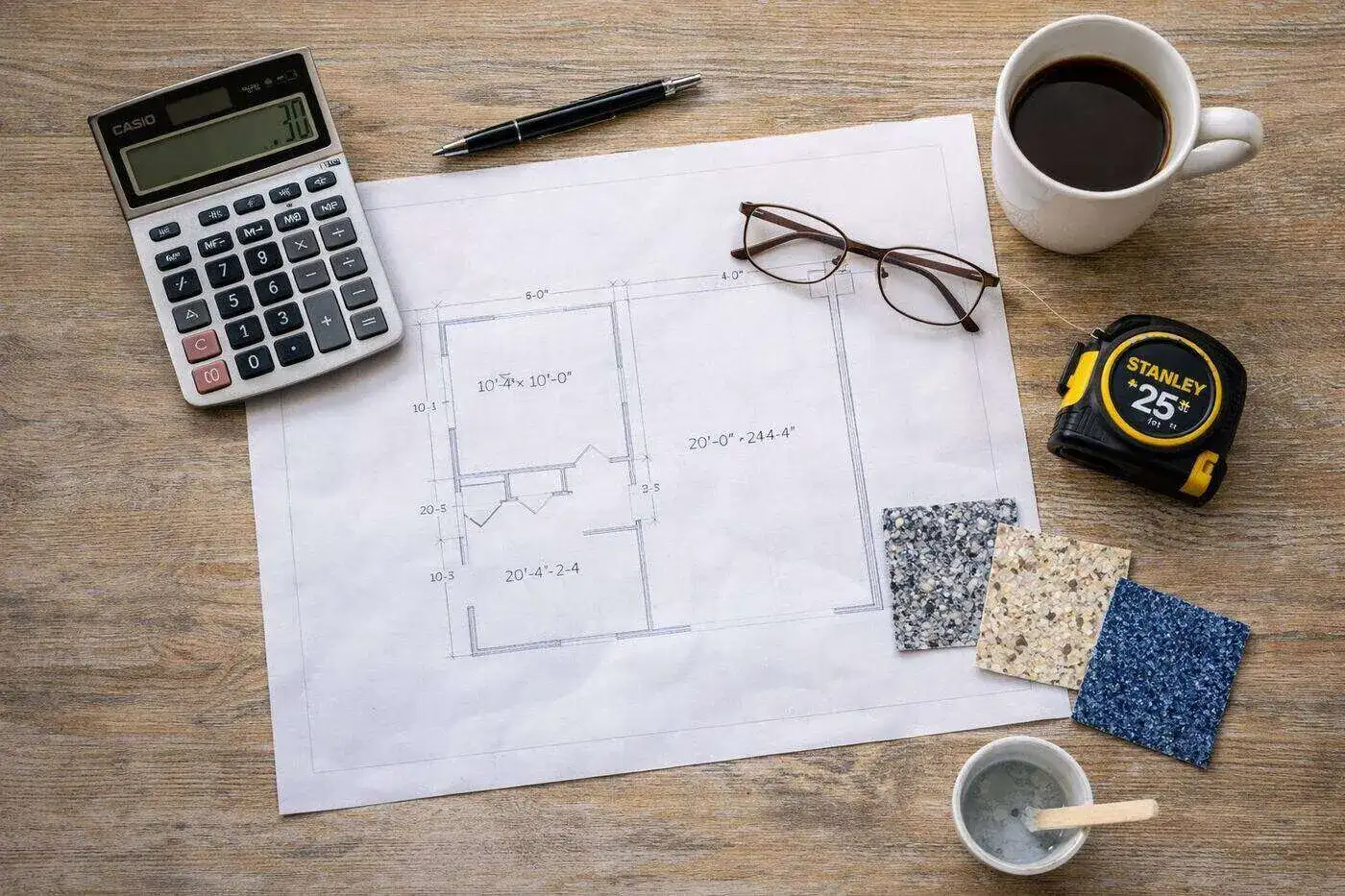
How Much Does Epoxy Flooring Cost in Miami? (2026 Guide)
What sets the price of a Miami floor: size, slab condition, moisture and finish.
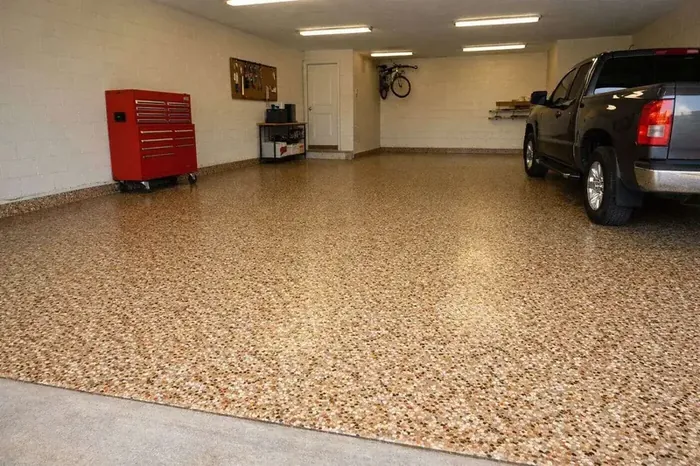
How Long Does an Epoxy Floor Last in Miami?
Realistic lifespan, what shortens it in our climate, and how to make it last.
Why Epoxy Floors Fail in Miami — and the Moisture Test That Prevents It
The high water table, MVT testing, and what to ask a contractor before you sign.