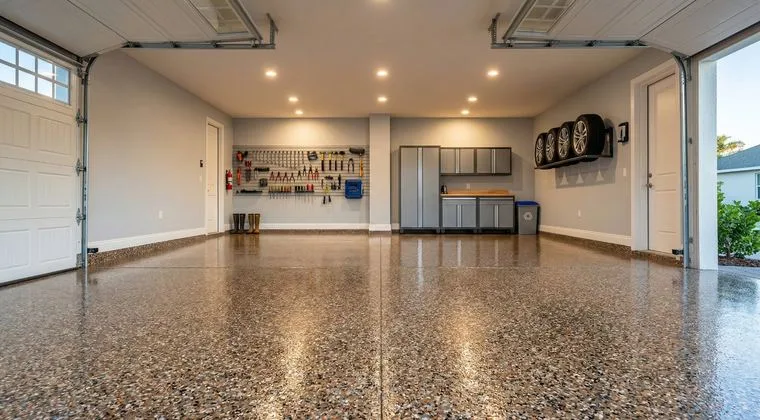
An epoxy floor is one of the lowest-maintenance surfaces you can own. The entire routine is a dust-mop or soft broom on a regular basis plus a pH-neutral damp mop as needed — and a short list of things to never use on it: acids, vinegar, citrus cleaners, and abrasive pads.
That is genuinely most of it. A properly installed epoxy floor seals the concrete under a hard, non-porous coating, so dirt sits on top instead of soaking in, and a quick clean lifts almost everything. Where homeowners get into trouble is not neglect — it is over-cleaning with the wrong products and scratching or dulling a finish that would otherwise stay glossy for years. This guide covers the simple routine, the products to avoid, what Miami's coastal climate adds, how to handle common stains, and when a refresh coat is due.
At Ascent Epoxy Miami, we install floors built for South Florida and we want them to last. If you would rather hand the heavy lifting to a pro — a deep clean, a maintenance recoat, or a look at a floor that is starting to fail — call (305) 889-7045 any time.
The Low-Maintenance Routine
The reason epoxy is so popular for garages, shops, and showrooms is that it asks for almost nothing. A properly installed garage floor coating Miami system is built for exactly this low-effort upkeep. No waxing, no sealing, no buffing, no special machine. Keep grit off it and wipe spills, and the floor mostly takes care of itself. Here is the whole routine, by how often each step matters.
Daily and Weekly: Keep the Grit Moving
The single most important habit is regular dry cleaning. Sweep with a soft-bristle broom or run a dust-mop across the floor to lift sand, dust, and fine grit. This is not about looks — loose grit is abrasive, and ground underfoot or under a tire it acts like fine sandpaper on the topcoat. In a busy household garage, a quick sweep once or twice a week is plenty; in a low-traffic space, less often is fine.
Monthly: A Gentle Damp Mop
When the floor needs more than a sweep, damp-mop it with warm water and a small amount of pH-neutral cleaner. A microfiber flat mop works beautifully and dries fast. Avoid soaking the floor — a damp mop, not a flood — and there is no need for a separate rinse pass if you have used a neutral cleaner at the right dilution. Once a month is a sensible baseline for a home garage; a commercial floor or kitchen may want it weekly. That is the deepest cleaning most epoxy floors ever need.
Anytime: Spot-Clean Spills Promptly
Because the surface is non-porous, spills sit on top rather than soaking in, so you have time — but the sooner you wipe, the easier it is. Oil, brake fluid, paint, and household chemicals all come up readily when fresh and turn stubborn once dried and set. Keep paper towels and a spray bottle of diluted neutral cleaner within reach, and treat a spill as a 30-second job rather than a future scrubbing project.
What NOT to Use on an Epoxy Floor
More epoxy floors are damaged by aggressive cleaning than by ordinary wear. The topcoat is tough against impact and chemicals in normal use, but the wrong cleaner or tool will dull the gloss, etch the surface, or leave a slippery film. Here is the short list to keep away from the floor and what to reach for instead.
| Avoid This | Why It Harms the Floor | Use Instead |
|---|---|---|
| Vinegar & acidic cleaners | Acid slowly etches and dulls the topcoat, breaking down the gloss over time | pH-neutral floor cleaner with warm water |
| Citrus / orange degreasers | Citric acid and solvents attack the finish and can soften the coating | An epoxy-safe degreaser rated as pH-neutral |
| Abrasive pads & steel wool | Scratch the clear topcoat, leaving permanent dull marks and swirl lines | Soft nylon brush or non-abrasive microfiber pad |
| Harsh solvents (acetone, thinner) | Can chemically attack and cloud or soften the coating | Warm water first; epoxy-safe cleaner for tougher spots |
| Soap that leaves a film | Builds up a slick residue that makes the floor hazy and slippery | Neutral cleaner at the correct dilution; light water rinse |
The pattern is simple: anything acidic, citrus-based, abrasive, or solvent-heavy works against the very finish that makes the floor easy to live with. When in doubt, warm water and a soft microfiber mop will handle the great majority of everyday cleaning, and a true pH-neutral cleaner covers the rest.
Floor Looking Tired or Starting to Peel?
Tell us what you are seeing. We will tell you whether it is a quick maintenance recoat or something that needs a closer look — free, no pressure.
Caring for an Epoxy Floor in Miami's Climate
The basic routine is the same everywhere, but a few South Florida conditions add small wrinkles — none hard to manage, just worth knowing if you live close to the water or run an open-bay space.
Salt & Sand Grit Near the Coast
Properties close to the water track in salt and fine beach sand, and both are abrasive. Left on the floor, that grit slowly micro-scratches the topcoat underfoot and under tires. The fix costs nothing: put a walk-off mat at each entry and keep up with regular sweeping. In Coral Gables, Aventura, and other coastal Miami-Dade pockets this matters a little more than inland, but a mat and a broom handle it completely.
High Humidity and Standing Water
Miami humidity means water on a glossy floor evaporates slowly, and a wet epoxy surface can be slippery. After a wash, after rain blows into the garage, or after a damp car drips overnight, dry up standing water rather than letting it sit. It is a safety habit more than a maintenance one, and it keeps the floor looking clean instead of leaving water spots.
Lanai, Patio, and Pool-Deck Floors
Coated lanai and pool-deck floors take on salt, pool chemicals, and sunscreen that a closed garage never sees. Rinse these surfaces with plain water periodically to flush salt and chlorine, especially after heavy use, then let them dry. A clear-water rinse is gentle and keeps residue from building up where the floor meets the elements.
Sun Exposure in Open Bays
A garage worked with the bay door open, or any sun-exposed interior, gets direct sub-tropical UV. That is exactly why we install a UV-stable polyaspartic or polyurethane topcoat as standard on Miami floors — it resists the ambering and chalking that fade a lesser coating. From a maintenance standpoint there is nothing extra to do; the right topcoat does the work. If your floor predates that spec and is yellowing, a UV-stable maintenance recoat brings it back.
Removing Common Stains
Because epoxy is non-porous, most "stains" are really just deposits sitting on the surface, and gentle methods lift them without touching the finish. Always start with the mildest approach and only step up if you must.
Oil and Grease
Wipe up the bulk first, then clean the spot with warm water, a pH-neutral or epoxy-safe degreaser, and a soft nylon brush. Let the cleaner dwell a few minutes on a stubborn patch before scrubbing gently, then rinse. Fresh oil comes up easily; just get to it before it sits for days.
Rust
Surface rust from a metal object left on the floor usually lifts with warm water, a neutral cleaner, and a soft pad. Avoid acidic rust removers — exactly the kind of product that etches the topcoat. If a light scrub does not clear it, a pro deep-clean beats a harsher chemical.
Tire Marks
Hot-tire marks are the most common complaint, and they come up with an epoxy-safe degreaser, warm water, and a soft brush or non-abrasive pad. Let the cleaner soften the mark for a few minutes, then scrub gently and rinse. To prevent them, let hot tires cool before parking and consider a parking mat under each tire in a daily-driver bay.
Paint and Dried Spills
Fresh paint wipes up with water or the manufacturer's recommended cleanup method while it is still wet. For a small dried drip, gentle scraping with a plastic putty knife — never metal — usually pops it off the slick surface without harming the coating. Skip harsh paint strippers and solvents, which can cloud the finish.
Protecting the Floor & When to Recoat
A little prevention extends the life of the topcoat and pushes a recoat further down the road. It is mostly about not dragging heavy, sharp things across a glossy surface.
- Lift, do not drag. Slide felt pads or a moving blanket under toolboxes, cabinets, and appliances, and lift heavy items into place. Most deep scratches come from dragging metal or hard plastic across the floor.
- Protect the high-load spots. Put a mat or board under a jack, jack stand, or motorcycle kickstand, and under the legs of heavy shelving. Concentrated point loads are what gouge a coating.
- Use mats where it counts. A walk-off mat at each entry traps grit, and a parking mat under each tire catches hot-tire transfer and drips before they reach the floor.
Even a well-kept floor eventually shows its miles, and the good news is that epoxy is designed to be refreshed rather than replaced. The signs a maintenance topcoat is due are easy to spot: the gloss goes flat in the traffic lanes and where you park, fine scratches build into a hazy look, or the surface feels less slick than it used to. When that happens, a pro can lightly scuff-sand the existing coating and lay a fresh topcoat in about a day — far cheaper than a full tear-out. A quality residential floor here often runs 10 to 15 years before it asks for that refresh. For the full picture on lifespan, see our guide on how long an epoxy floor lasts in Miami.
When to Call a Pro
Day-to-day care is entirely a DIY job. A few situations, though, are worth a professional set of eyes rather than a harsher cleaner or a hopeful patch.
- Deep or set-in stains that do not respond to a gentle clean. Before you escalate to an aggressive chemical that could damage the topcoat, a pro deep-clean is the safer move.
- Peeling, bubbling, or flaking. This is rarely a cleaning problem — in Miami it most often points to slab moisture pushing up through the concrete and breaking the coating from underneath. If you see it, read our guide on why epoxy floors fail in Miami and the moisture test that prevents it, then have the floor assessed before any recoat.
- A maintenance recoat. When the gloss is gone or the surface is scratched throughout, a professional scuff-and-recoat restores the floor properly and extends the life of the original install.
Ascent Epoxy Miami handles deep cleans, maintenance recoats, and failure assessments across Miami-Dade. If you are not sure which bucket your floor falls into, a quick call sorts it out.
Frequently Asked Questions
How do you clean an epoxy floor?
For routine cleaning, dust-mop or soft-bristle sweep the floor to lift grit, then damp-mop as needed with a microfiber mop, warm water, and a pH-neutral cleaner. Wipe spills as they happen. That is the entire routine for most homes — no waxing, no harsh chemicals, no special equipment. Skip anything acidic, citrus-based, or abrasive.
Can I use vinegar to clean an epoxy floor?
No. Vinegar is acidic, and repeated use dulls the gloss and slowly etches the topcoat over time. The same goes for lemon, citrus degreasers, and other acidic household cleaners. Use a pH-neutral cleaner with warm water instead, which lifts dirt without attacking the finish.
How do I get tire marks off an epoxy floor?
Hot-tire marks usually come up with a pH-neutral cleaner or a degreaser rated as epoxy-safe, warm water, and a soft nylon brush or non-abrasive pad. Let the cleaner sit for a few minutes to soften the mark, then scrub gently and rinse. Avoid steel wool, abrasive pads, and harsh solvents, which can scratch the topcoat. To prevent marks, let hot tires cool before parking and consider a parking mat under each tire.
Does a Miami epoxy floor need special care for salt and humidity?
A little. Near the coast, salt and fine sand get tracked in and act like sandpaper underfoot, so a walk-off mat and regular sweeping matter more here than inland. In Miami's humidity, dry up standing water promptly so a wet floor does not become a slip hazard. Lanai, patio, and pool-deck floors should be rinsed of salt and pool chemicals, and any sun-exposed floor benefits from the UV-stable topcoat we install as standard.
How often should I recoat an epoxy floor?
A quality residential epoxy floor in Miami often goes 10 to 15 years before it needs a fresh topcoat, while a busy commercial floor may want a refresh coat sooner. The real trigger is wear, not the calendar: when the gloss dulls in traffic lanes, fine scratches build up, or the surface starts to feel less slick, a single maintenance topcoat restores it for a fraction of a full replacement. A pro can scuff-sand and recoat in a day.
What should I never use on an epoxy floor?
Never use vinegar or any acidic cleaner, citrus or orange-based degreasers, abrasive pads or steel wool, harsh solvents like acetone or paint thinner, or soap that leaves a film. Each of these either etches the topcoat, scratches the gloss, or leaves a slippery residue. Stick to a pH-neutral cleaner, warm water, and soft tools, and the floor stays clear and glossy for years.
Get Your Free Miami Quote
A good epoxy floor should ask almost nothing of you — a sweep, an occasional gentle mop, and a short list of products to keep away from it. Do that, and the floor we install holds its gloss for years. When it finally needs a refresh, or if you see peeling or bubbling that points to a deeper problem, that is what we are here for.
Whether you want a new floor built for South Florida's humidity or a maintenance recoat on one you already have, call (305) 889-7045 or request a free quote online. We serve Miami, Doral, Hialeah, Coral Gables, Kendall, Aventura, Pinecrest, Homestead, Miami Gardens, North Miami, and the surrounding communities across Miami-Dade County.
Related Articles
How Long Does an Epoxy Floor Last in Miami?
Realistic lifespan, what shortens it in South Florida, and how to get the most years out of a floor.
How Much Does Epoxy Flooring Cost in Miami? (2026 Guide)
What sets the price of a Miami floor: size, slab condition, moisture and finish.
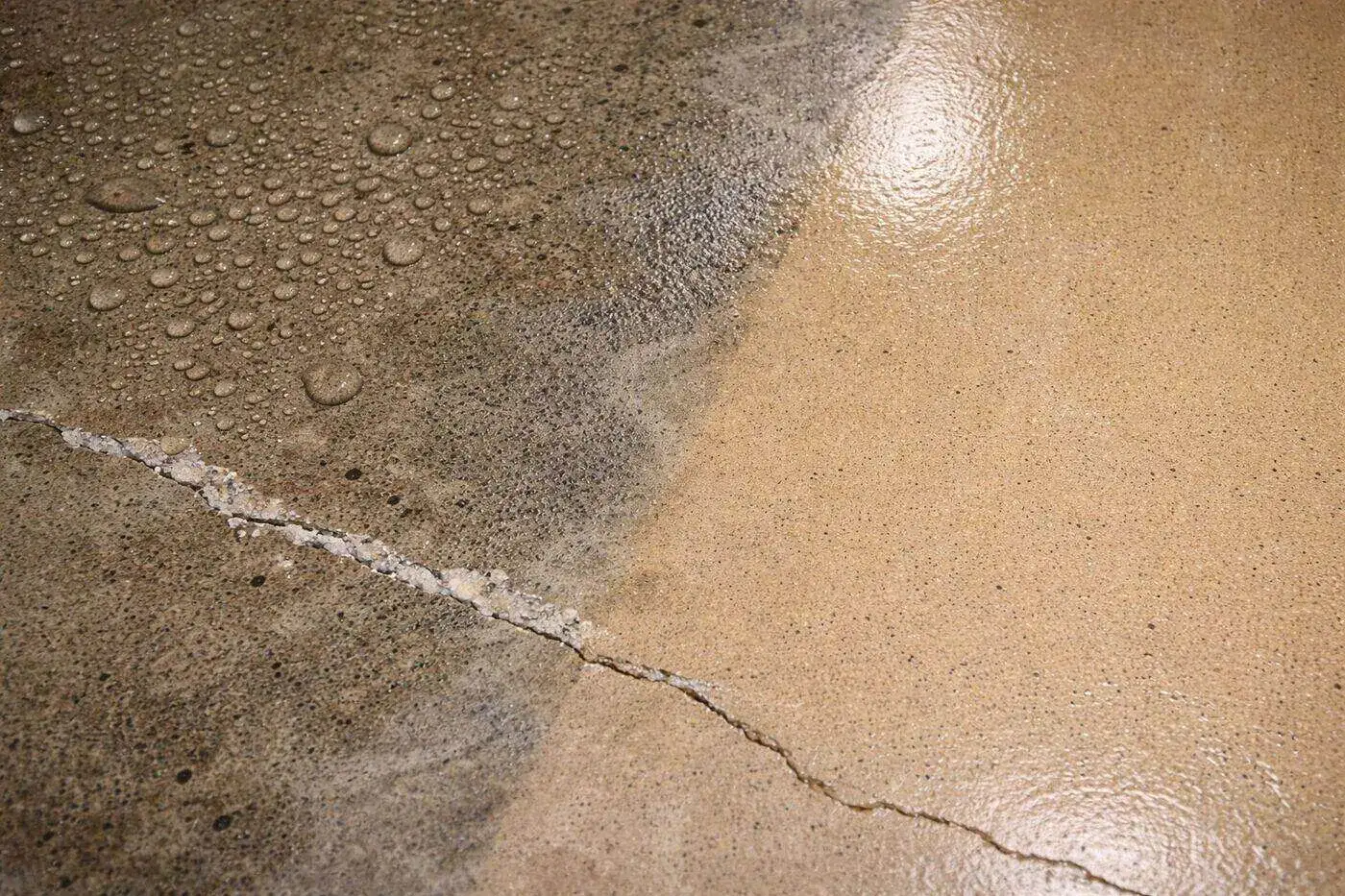
Why Epoxy Floors Fail in Miami — and the Moisture Test That Prevents It
The high water table, MVT testing, and what to ask a contractor before you sign.