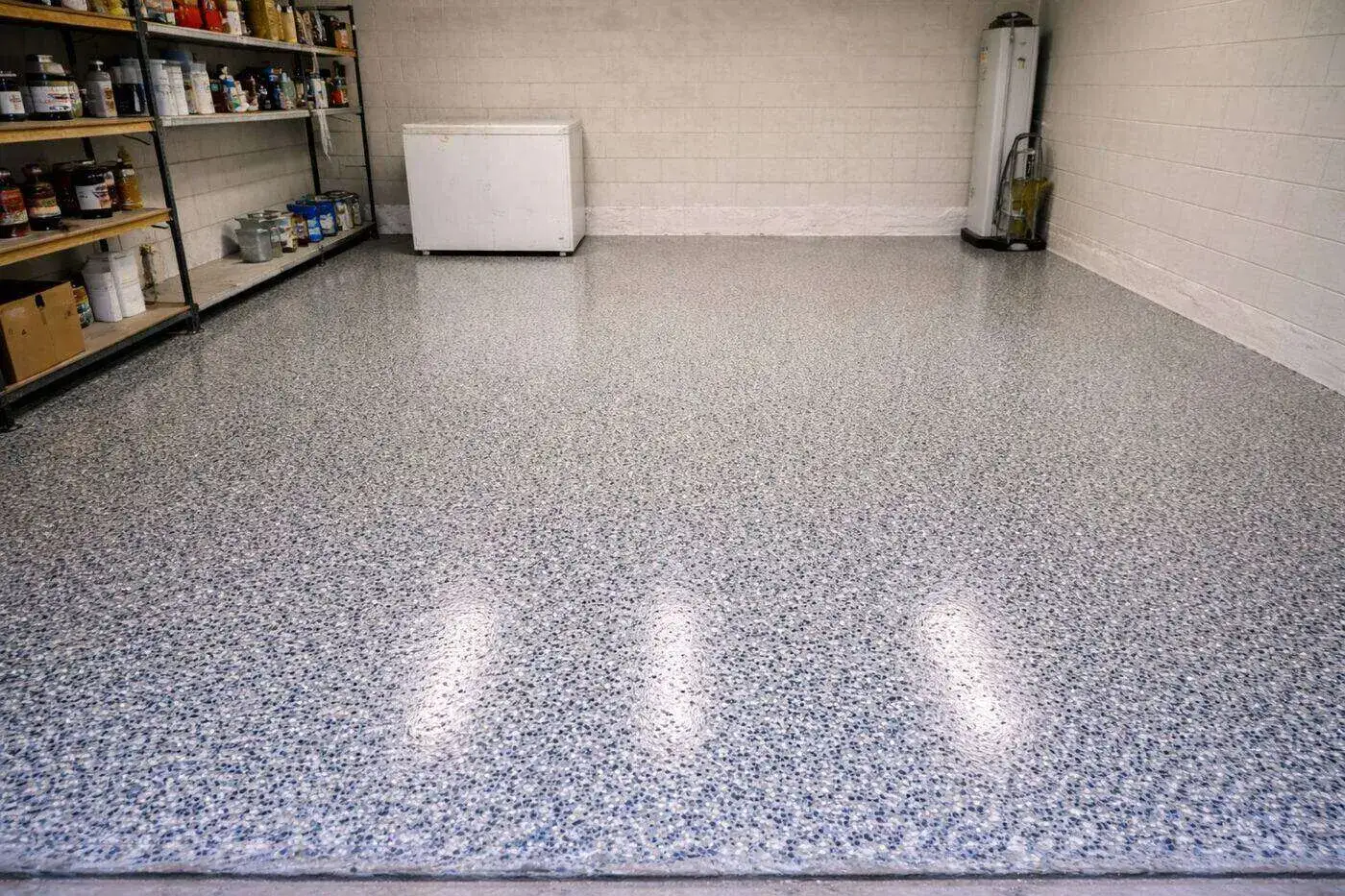
Epoxy flooring is genuinely worth it in Miami when it is professionally installed with a real diamond-grind prep, a slab moisture test, and a UV-stable polyaspartic topcoat. Done that way, it lasts for years, cleans in minutes, and shrugs off the humidity. A cheap DIY kit poured over an untested, high-water-table slab is usually not worth it here, and it tends to peel.
"Is it worth it?" is the most honest question a homeowner can ask, and most epoxy articles dodge it because they are selling you the floor no matter what. We would rather give you the real answer, including the cases where the answer is no. Epoxy is one of the best floors you can put on a Miami garage or interior slab, but only when it is done right. The same product, installed badly, is one of the worst, because in this climate the shortcuts fail fast. This guide covers the real pros, the candid cons, how epoxy compares to the alternatives, and exactly when it pays off.
At Ascent Epoxy Miami, we install these floors across Miami-Dade County every week, so we also see the failed ones people call us to fix. That gives us a clear view of what separates a floor that is worth every dollar from one that was a waste. For a straight answer on your specific slab, call (305) 889-7045, or read on first.
The Honest Verdict, Up Front
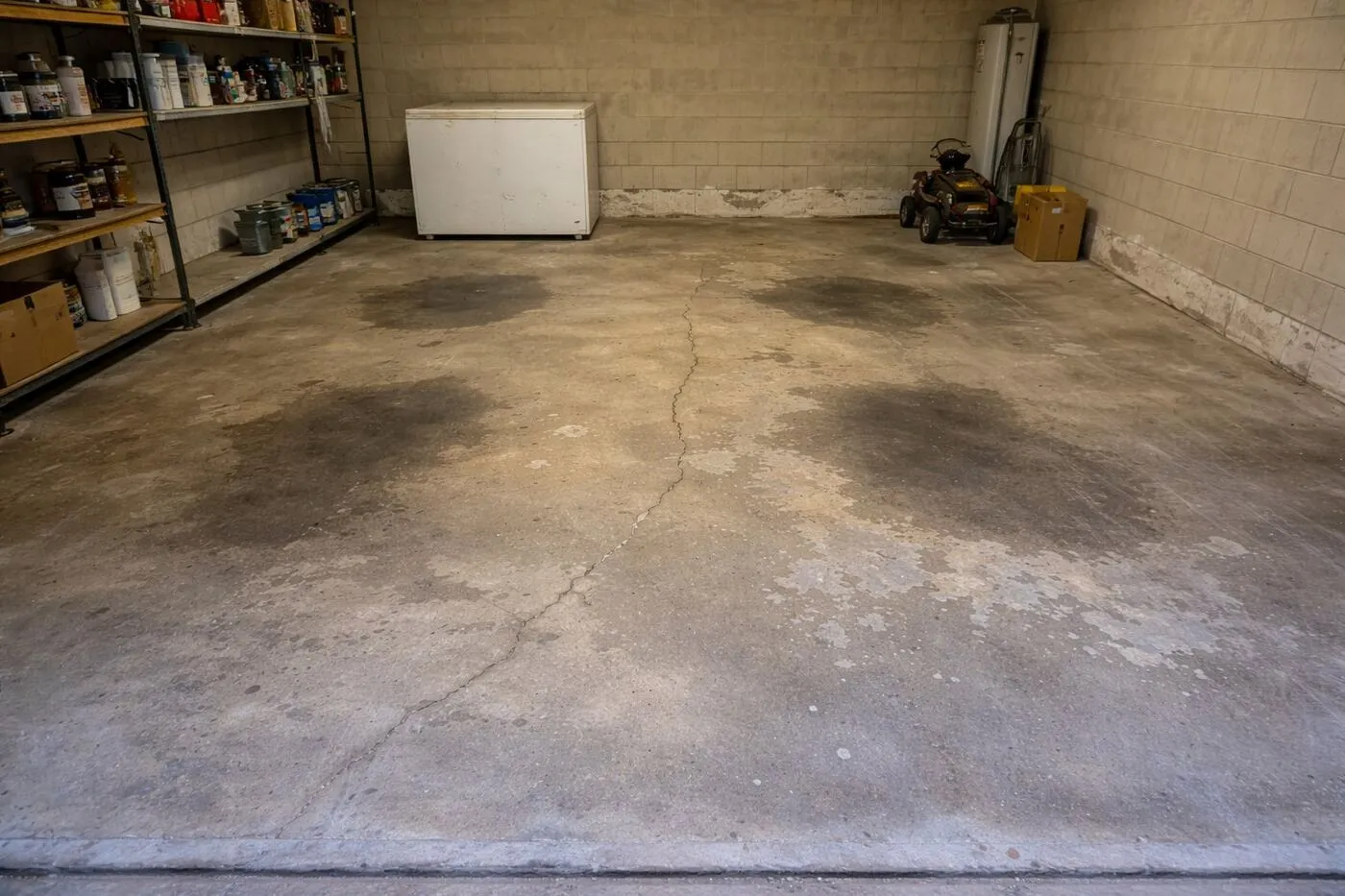
For most Miami homeowners and business owners, a professionally installed epoxy or polyaspartic floor is worth it. It turns a porous, dusty, stain-prone concrete slab into a sealed, hard-wearing, easy-to-clean surface that looks finished and holds up to South Florida heat and humidity for years. On a per-year basis, a quality floor that lasts a long time is cheaper than repeatedly patching, sealing, or re-coating bare concrete.
The catch is that the value lives almost entirely in the install, not the bucket of resin. What makes a Miami floor last is the prep underneath it: a slab moisture test, a diamond grind, crack and spall repair, and a UV-stable topcoat rated for this climate. Get those right and epoxy is one of the best-value upgrades you can make to a garage or interior. Skip them, or hand the job to a weekend DIY kit, and the same floor can bubble and peel within a season. So the honest verdict is not a flat yes or no. It is "worth it, if it is done properly here."
The Real Pros of Epoxy in Miami
When epoxy is the right call, these are the reasons it earns its place. None of them are marketing fluff; they are the day-to-day benefits Miami clients actually notice.
- Serious durability. A properly installed epoxy or polyaspartic system bonds into the concrete and creates a hard, impact-resistant surface that takes vehicle traffic, dropped tools, and dragged furniture without chipping the way bare concrete and tile do.
- Genuinely easy to clean. The seamless, non-porous surface wipes down with a mop. There are no grout lines to scrub and no porous concrete soaking up oil. For a Miami garage or a busy commercial floor, that is a real time-saver.
- Moisture and stain resistance once sealed. A finished epoxy floor resists water, oil, pool chemicals, and salt sitting on top of it, which matters in a humid, coastal market. The key phrase is "once sealed," and that is exactly why the slab below has to be moisture-tested first.
- It looks finished. Flake blends, metallic pours, and clean solid colors turn a utility slab into a space that looks designed. In Coral Gables and Pinecrest interiors, a metallic floor reads as a high-end feature, not a garage coating.
- Adds usable, low-maintenance value. A clean, sealed floor makes a garage feel like livable square footage and helps a home show better. It is an improvement people see and remember on a walkthrough.
- Resists hot-tire pickup with polyaspartic. Cheap coatings lift when hot tires park on them. A polyaspartic topcoat, which is what we spec in Miami, resists hot-tire pickup along with the humidity and UV this climate throws at it.
The Candid Cons Nobody Mentions
An honest answer has to include the downsides. Here is what the sales pages leave out, and what you should weigh before you spend a dollar.
- It is only as good as the prep. Epoxy is entirely prep-dependent. A perfect product over a poorly ground or contaminated slab will fail. Most of the floors we are called to fix did not fail because of bad resin; they failed because the prep was rushed.
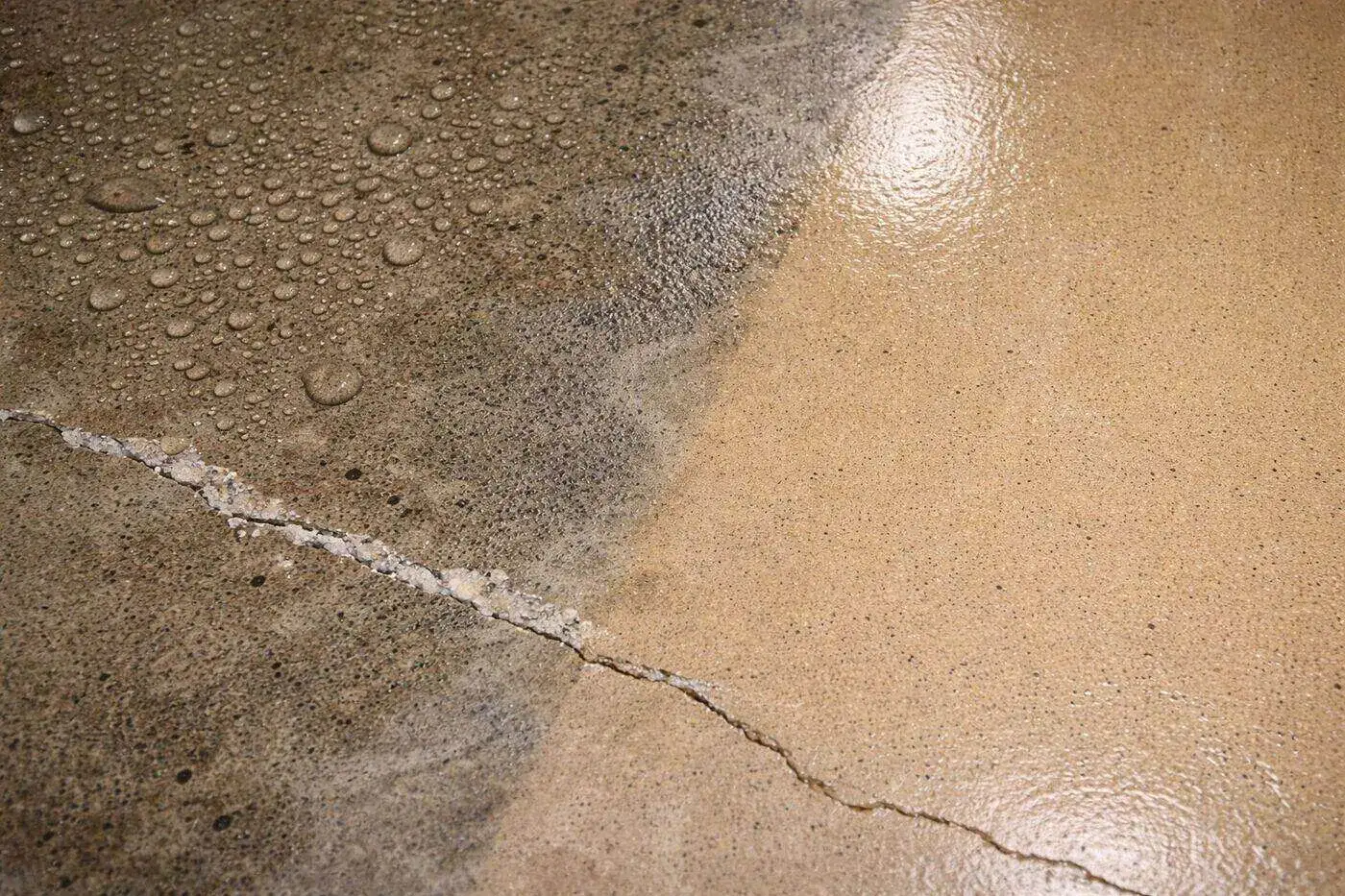
- It can fail if moisture goes untested. This is the big one in Miami. South Florida sits on a high water table, and vapor pushing up through an untested slab will break a coating from underneath. Skip the moisture test and you are gambling with the whole floor.
- It can be slippery when wet. A smooth, high-gloss finish is slick with water on it. The fix is texture from a flake or quartz broadcast, or an anti-slip additive in the topcoat, but a plain glossy floor near a pool deck or a wet entry is a fair thing to flag.
- DIY kits underperform here. Big-box kits are thin, water-based, skip moisture testing, and bond to a lightly etched slab. In Miami's climate that is a recipe for bubbling and peeling, which is why so many DIY floors get redone within a year or two.
- There is downtime and cure time. The space is out of use during prep, coating, and curing. Polyaspartic shortens this considerably, but it is not a same-hour floor, and you have to plan around the cure.
- It costs more than bare concrete. Doing nothing is always cheaper up front. Epoxy is an investment, and on a slab you will rarely use or are about to sell, that cost may not pay back.
Epoxy vs the Alternatives
Epoxy is not your only option for a concrete floor, and "worth it" only makes sense in comparison. Here is how the realistic choices stack up for a Miami slab, weighing what matters most in this climate.
| Option | Upfront Cost | Durability | Miami Humidity Suitability | Maintenance | Looks |
|---|---|---|---|---|---|
| Bare / sealed concrete | Lowest | Low – dusts, stains, cracks | Fair, but porous and absorbs moisture | High – reseal, patch, scrub | Plain, utilitarian |
| Floor tile / interlocking | Low–Medium | Medium – grout and seams fail | Poor – seams trap moisture & mold | Medium – grout scrubbing, popped tiles | Decent, but seams show |
| Polished concrete | Medium–High | High – very hard surface | Good, though it can sweat in humidity | Low–Medium – periodic re-polish | Sleek, modern, grey-toned |
| Epoxy / polyaspartic | Medium | High – seamless and impact-resistant | Best, when moisture-tested & UV-sealed | Low – mop and go | Wide range – flake, metallic, solid |
Bare concrete wins only on upfront price and loses on everything else over time. Tile struggles in humidity because every seam is a place for moisture and mold to hide. Polished concrete is a strong, sleek alternative, but it is grey-toned and can sweat in high humidity. Epoxy and polyaspartic give you the best blend of durability, low maintenance, humidity tolerance, and design range, provided the slab is tested and the system is rated for Miami.
Not Sure Epoxy Is Right for Your Slab?
Tell us about your space and your goals. We will test your slab and give you an honest recommendation and a real number, free.
When Epoxy Is Worth It
Here are the situations where epoxy is an easy yes in Miami, and where the value is most obvious.
- Garages you actually use. If your garage is a workshop, gym, parking space, or extension of the house, a flake-and-polyaspartic floor pays you back daily in cleanliness, grip, and durability.
- Design interiors. Living areas, home gyms, showrooms, and boutique retail where a metallic or solid floor becomes a feature. The look and the seamless, easy-clean surface justify the spend.
- Commercial floors. Warehouses, clinics, kitchens, and retail that take constant traffic and cleaning. The durability and the seamless, sanitary surface are exactly what these spaces need, and quartz systems push that even further.
- Anyone wanting low-maintenance for the long term. If you would rather mop once than reseal, patch, and scrub bare concrete for years, epoxy is the lower-effort floor over its life.
The common thread is that you will use the space and keep it. That is where the per-year math turns strongly in epoxy's favor.
When It's NOT Worth It
Just as important: the cases where we would tell you to hold off, or to fix something else first.
- About to sell with no time to enjoy it. If you are listing in a few weeks, epoxy is a feature, not a guaranteed dollar-for-dollar return. There are usually cheaper ways to make a garage show well if you will not be the one using it.
- An untested wet slab with no mitigation budget. If the slab tests high for moisture and you are not willing to budget for a mitigation primer, do not coat it. Any epoxy installed over that without mitigation is money spent on a floor that will fail.
- DIY over a bad slab. A weekend kit over a cracked, contaminated, or untested slab is the worst-value version of epoxy in Miami. It looks fine for a month, then peels, and you pay again to grind it off and redo it properly.
- Purely decorative on a failing slab. If the concrete itself is structurally failing or heaving, a pretty coating on top does not fix the problem. The slab issue has to be addressed first, or the floor is built on something that is still moving.
The Miami Verdict
So, is epoxy flooring worth it in Miami? Done right, yes, and the reason is the same reason the shortcuts fail: this climate punishes them. The high water table, the humidity, the heat, and the sun are exactly the conditions that expose a cheap install, which is why the floors that are properly moisture-tested, diamond-ground, and sealed with a UV-stable polyaspartic topcoat are the ones that stay beautiful for years while the corner-cutting jobs peel. The climate that makes a bad epoxy floor fail fast is the same climate that makes a good one feel like the best decision you made for the space.
The practical takeaway is to judge the install, not just the product. Ask any contractor whether they moisture-test, how they prep the slab, and what topcoat they use. If the answer is a diamond grind, a moisture test, and a UV-stable polyaspartic system, you are looking at a floor that is worth it. If you want to know what sets the price of a Miami floor, see our Miami epoxy flooring cost guide, and if you want to understand the failure mode that drives all of this, read why epoxy floors fail in Miami and the moisture test that prevents it.
Frequently Asked Questions
Is epoxy flooring worth it in Miami?
Yes, for most homeowners epoxy flooring is worth it in Miami when it is professionally installed with a real diamond grind, a slab moisture test, and a UV-stable polyaspartic topcoat. Done that way it lasts for years, cleans in minutes, and handles the humidity and heat. A cheap DIY kit poured over an untested high-water-table slab is usually not worth it, because it tends to peel within a season or two.
Does epoxy flooring add value to a Miami home?
A professionally installed epoxy floor makes a garage or interior look finished and well maintained, which helps a home show better and adds usable, easy-to-clean square footage. It is best treated as an improvement that increases appeal and function rather than a guaranteed dollar-for-dollar return, so it pays off most when you will actually use the space, not when you are about to sell with no time to enjoy it.
Is professional epoxy worth it over a DIY kit?
In Miami, yes. The part that makes a floor last is the prep and the system, not the bucket of resin. A professional install includes slab moisture testing, a diamond grind, crack repair, and a UV-stable polyaspartic topcoat rated for this climate. Big-box DIY kits skip the moisture step, use a thin water-based product, and bond to a lightly etched slab, which is exactly why they bubble and peel here. The pro floor costs more up front and usually outlasts several DIY redos.
Is epoxy slippery when wet?
A smooth, high-gloss epoxy floor can be slick when water sits on it, which matters in a humid market like Miami. The fix is texture: a full flake broadcast or a quartz system adds grip underfoot, and an anti-slip additive can be mixed into the topcoat. Specified that way, an epoxy floor is no more slippery than most finished surfaces, even in a garage or near a pool deck.
How long does an epoxy floor last in Miami?
A professionally installed epoxy or polyaspartic floor in Miami commonly lasts many years on a residential garage and holds up under heavier commercial traffic too, as long as the slab was moisture-tested and properly ground before coating. The single biggest factor in lifespan here is prep: a floor that was moisture-tested and diamond-ground lasts far longer than one rushed onto an untested, acid-washed slab.
Is epoxy worth it if my slab tests high for moisture?
It can still be worth it, but only if you budget for moisture mitigation. A high reading means vapor is pushing up through the concrete, which will break an ordinary coating from underneath. With a moisture-mitigation primer added under the system the floor can perform well; without it, no epoxy is worth installing on that slab. The honest move is to test first, then decide, rather than coating over a problem and hoping.
Get Your Free Miami Quote
The only way to know whether epoxy is worth it for your floor is to have your slab looked at in person. At Ascent Epoxy Miami, every estimate starts with a real look at your concrete, a moisture test, and an honest conversation about whether epoxy is the right call for your space and budget. If it is not the right move for you, we will tell you that too.
Ready to find out? Call us at (305) 889-7045 or request a free quote online. We serve Miami, Doral, Hialeah, Coral Gables, Kendall, Aventura, Pinecrest, Homestead, Miami Gardens, North Miami, and the surrounding communities across Miami-Dade County.
Related Articles
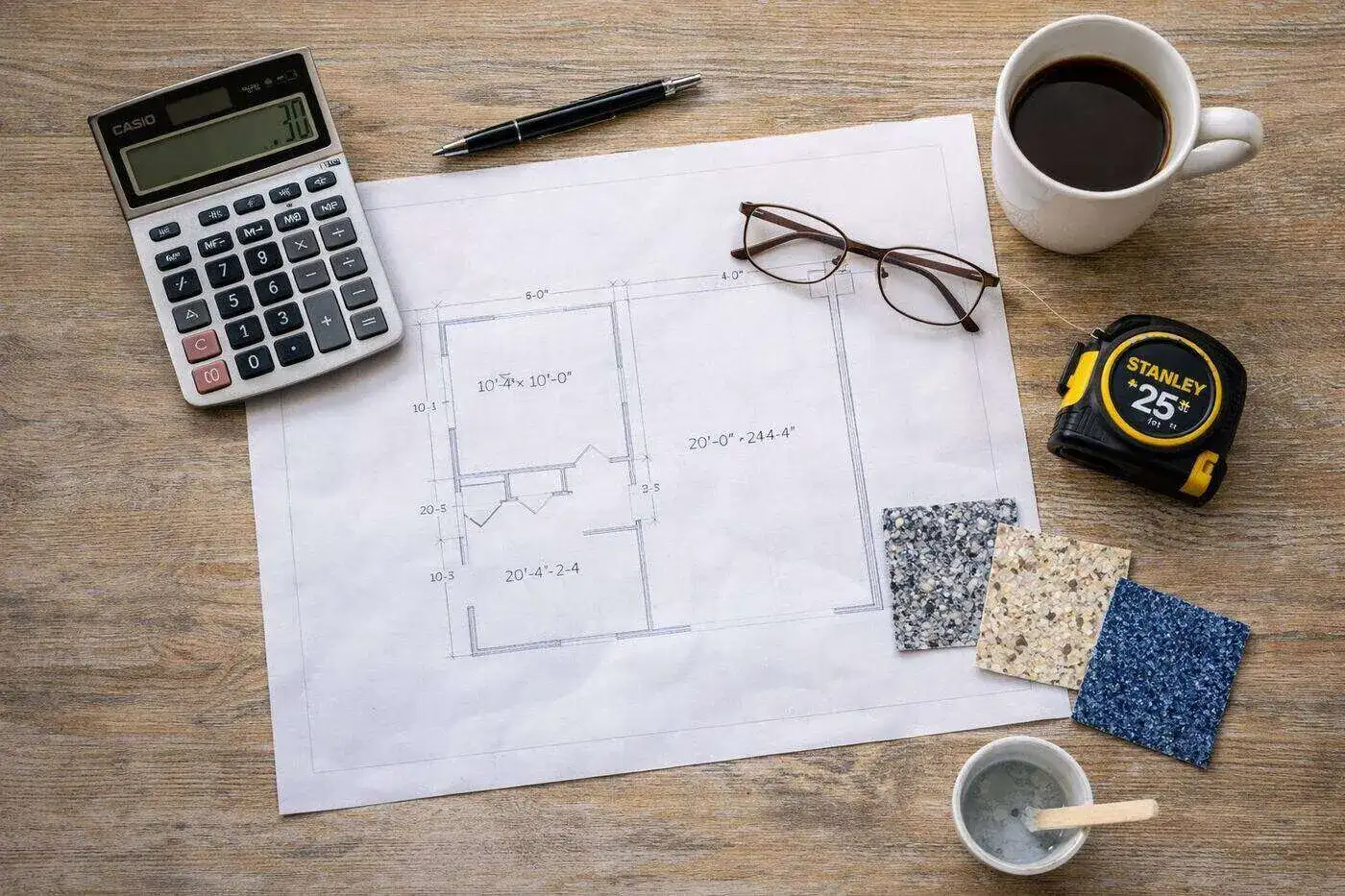
How Much Does Epoxy Flooring Cost in Miami? (2026 Guide)
What sets the price of a Miami floor: size, slab condition, moisture and finish.
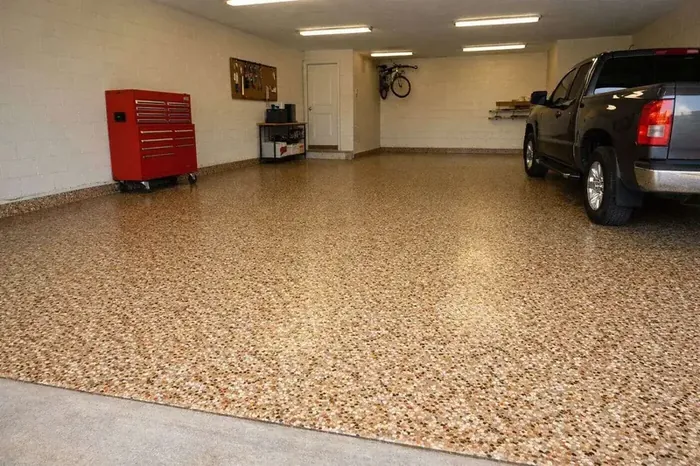
How Long Does an Epoxy Floor Last in Miami?
Realistic lifespans by system and the prep that decides how long your floor holds.
Why Epoxy Floors Fail in Miami — and the Moisture Test That Prevents It
The high water table, MVT testing, and what to ask a contractor before you sign.